Learning to read and spell is one of the most important things a child does early on, and you are their most influential teacher. You need no expertise and no formal lessons to make a real difference. A few simple, enjoyable habits at home give your child a strong, confident start with words. Here is how.
Why your role at home matters so much
The support a child gets at home hugely shapes how they learn to read and spell. That is both a responsibility and a wonderful opportunity. Children who are read to, talked with and surrounded by words and books early tend to develop literacy more easily. They build vocabulary, an ear for how words work and, crucially, a positive association with reading before school even begins. School teaches the mechanics. Home is where a love of reading and a rich language environment grow. That foundation makes everything after it easier. Importantly, your influence is not about formal teaching or drilling, which can make a child anxious. It is about everyday interactions: reading together, chatting, playing with words and making literacy fun and pressure-free. Children learn best when they enjoy themselves and feel supported rather than tested. Reassuringly, supporting early reading needs no expertise and little time, just consistent, warm, playful engagement with words. See how much your everyday involvement matters, and that it works best when enjoyable rather than forced. Then you support your child's literacy in a way that is natural, effective and a pleasure for you both.
Read together every day
If one thing tops the list for supporting your child's reading, it is reading together every day. It is also one of the most enjoyable. Reading aloud from babyhood onward builds vocabulary and introduces the rhythm and patterns of language. It develops listening and comprehension. Above all, it shows children that reading is enjoyable and worthwhile. Make it a warm, regular habit, a bedtime story, a book on the sofa, whenever suits. Keep it relaxed and fun rather than a lesson. Choose books your child enjoys and follow their interests, since engagement matters more than the specific book. Reading favourites over and over is genuinely valuable for young children. As they grow, involve them more. Point to words, let them turn pages, ask about the pictures and story, and encourage them to join in with repeated phrases and eventually read parts themselves. Talk about the story to build comprehension. Keep books around the house and visit the library for a fresh, exciting supply. The goal is not to push but to share the pleasure of stories. A child who loves being read to, and sees reading as a joy, is motivated to learn. Daily shared reading, kept warm and fun, is the foundation of everything else.
Make learning letters and words playful
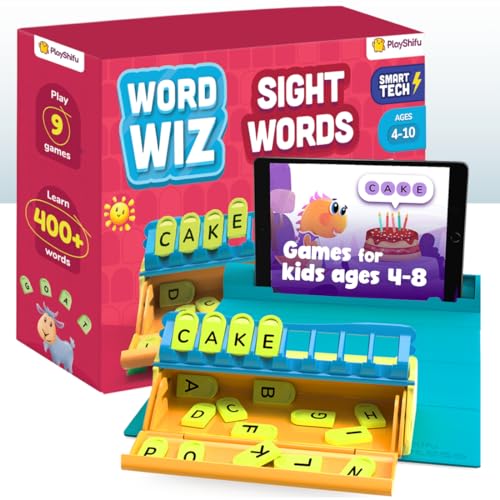
Learning the building blocks of reading, letters, their sounds and how they form words, works best through play, not drills. Young children learn through fun and hands-on activity. Focus early on phonics, the sounds letters make, since connecting sounds to letters is how children decode and spell. Do it playfully. Sing alphabet songs. Point out letters and sounds in everyday life, on signs and packaging. Play simple sound and rhyming games. Hands-on, multisensory activities are especially effective, since physically handling and arranging letters helps learning stick far better than passive watching. Playful tools can help here. An interactive learning kit like this hands-on letters learning kit has children build words with real tiles while an app guides them. It turns spelling and phonics practice into an engaging game rather than a chore. Use magnetic letters, letter blocks, writing and drawing, and word games to make letters and spelling tactile and fun. Keep sessions short, positive and playful, following your child's mood rather than forcing it. Celebrate effort and progress. Match activities to their stage: sounds and simple words for younger children, building to longer words and sentences as they grow. Making letters and words playful keeps children keen to learn and helps the fundamentals take root naturally.
Build spelling and writing gradually
Spelling and writing develop gradually, hand in hand with reading. Supporting them at home is about encouragement and low-pressure practice, not perfection. As your child learns letter sounds, encourage them to try spelling words by sounding them out. Do not worry about early attempts being imperfect. This so-called invented spelling is a normal, valuable stage where children apply their phonics knowledge, and correcting too harshly can discourage them. Praise the effort and the sounds they get right. Offer plenty of low-key chances to write: a shopping list, a card for a relative, labels for drawings, a simple message. That makes writing feel purposeful and fun rather than a drill. Make letters and words available to build and arrange, since physically forming words supports spelling. Read a lot, since wide reading naturally builds spelling and vocabulary by showing children how words look. As they progress, gently introduce common spelling patterns and tricky words in a supportive way. Let school lead on formal instruction while you provide encouraging practice at home. Keep it positive and patient, since spelling clicks at different rates for different children. The aim is a child willing to try writing and spelling without fear of mistakes. That confidence and practice, more than drilling, builds strong spelling over time.
Keep it positive, patient and fun
Underpinning all of this is the most important principle: keep it positive, patient and fun. A child's attitude to reading matters as much as any technique. Children learn to read and spell at their own pace. Comparisons or pressure can create anxiety that actually hinders learning. So celebrate your child's individual progress and effort, rather than measuring them against others or a timetable. Keep the atmosphere around words warm, playful and encouraging, never a source of stress or a battle. The goal is a child who loves reading, and love of reading drives the motivation to learn. Follow your child's interests and moods. Keep activities short and enjoyable, and stop before they become tiring or frustrating. Praise effort, curiosity and small wins generously. Be a reading role model yourself, since children who see adults reading and enjoying it are more likely to value it. Balance screen-based learning tools, useful as they are, with plenty of real books, conversation and non-screen play. If you ever have genuine concerns about your child's reading, talk to their teacher, since early support helps. Above all, trust that consistent, warm, playful involvement works. Keep it positive, patient and fun, and you give your child not just reading skills but a lasting love of reading.
The bottom line
Supporting your child's early reading and spelling is simpler and more enjoyable than many parents expect, and your everyday involvement makes an enormous difference. Read together every day, warmly and for pleasure, since that shared habit is the single most powerful thing you can do. Make learning letters, sounds and words playful and hands-on rather than a drill, using games and tactile tools that turn practice into fun. Encourage spelling and writing gradually and without pressure, welcoming imperfect early attempts as a normal, valuable stage. Above all, keep the whole experience positive, patient and fun, following your child's pace and nurturing a genuine love of reading. Do that, and you give your child a strong, confident foundation with words, and the joy in reading that will serve them for life.
Note: Availability and specifications change often. Always confirm the current details on Amazon before buying.